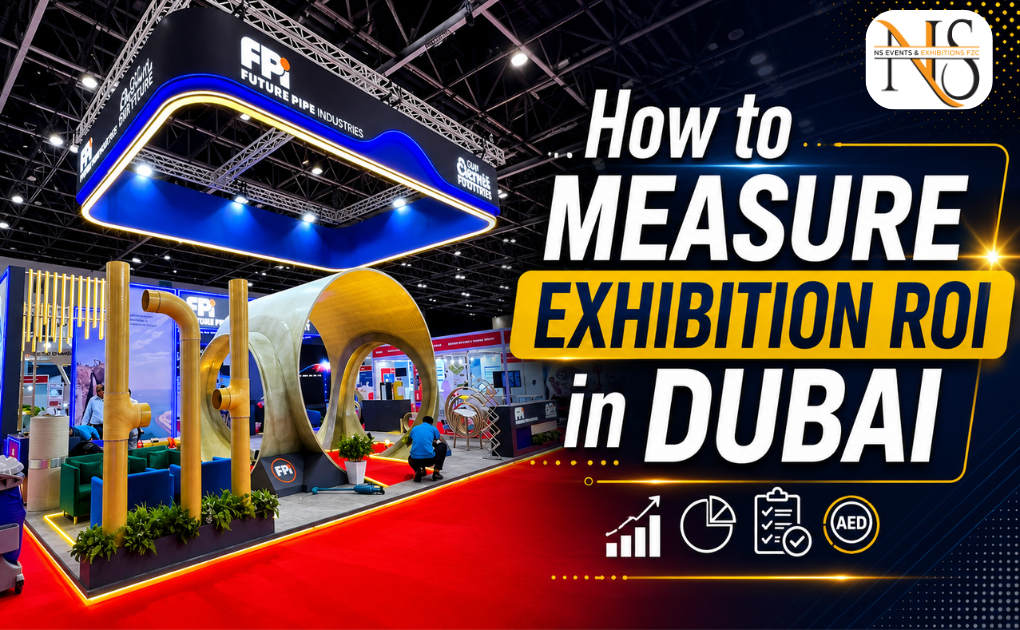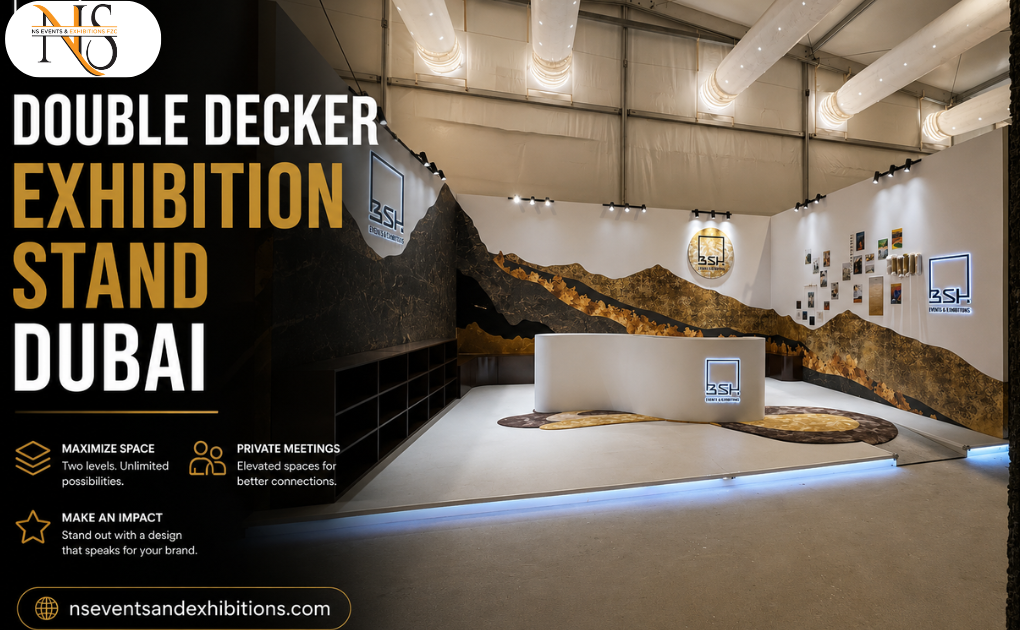



GITEX Global is the largest tech exhibition in the Middle East, drawing tens of thousands of visitors and thousands of exhibitors from startups to global tech giants to the Dubai World Trade Centre every year. If you’re exhibiting for the first time, or you’ve exhibited before but want to actually maximise ROI this time, preparation makes the difference between a booth that gets lost in the noise and one that generates real business.
Here’s a practical, stage-by-stage checklist.
8–10 Weeks Before the Show: Strategy and Planning
Define your exhibition goal clearly: Are you there for brand awareness, lead generation, investor meetings, partnership discussions, or product launches? Your goal determines your stand design, staffing plan, and content, trying to do all of it at once usually means doing none of it well.
Confirm your hall and booth location: At GITEX, hall placement matters significantly. Halls are often themed by sector (enterprise tech, startups, cybersecurity, AI, etc.), so make sure your booth is positioned where your actual target audience is walking.
Book your stand contractor early: GITEX is one of the busiest periods for exhibition contractors in Dubai. Contractors get booked out weeks in advance, and rushed timelines limit your design options and increase costs. If you’re considering a custom or double decker stand, 8 weeks is the minimum realistic lead time.
Set your budget across all categories, not just the stand: A common mistake: spending 90% of budget on the physical stand and leaving nothing for staffing, giveaways, lead capture technology, or pre-show marketing. A rough allocation that works for most exhibitors: – 50–60% stand design and build – 15–20% AV/technology and interactive elements – 10% staffing and training – 10–15% marketing, giveaways, and lead capture tools
6–8 Weeks Before: Design and Content
Finalise your stand design: Lock in layout, branding, and any structural or technology elements (LED walls, demo stations, meeting pods). At this stage you should also confirm compliance with GITEX and DWTC’s specific build regulations, height limits, material fire ratings, and structural sign-off requirements vary by hall.
Plan your demo and content flow: If you’re showcasing a product or platform, script a demo that runs in under 3 minutes. Attention spans on a show floor are short, visitors are comparing dozens of booths in a single day.
Prepare your lead capture system: Business cards alone don’t scale at an event with this much foot traffic. Use a digital badge-scanning system or lead capture app so your team can qualify and follow up efficiently after the show.
4–6 Weeks Before: Marketing and Logistics
Announce your presence before the show, not during it: Email your client list and prospects with your booth number and what they’ll see there. A meaningful percentage of your best conversations at GITEX come from pre-scheduled meetings, not walk-ins.
Coordinate AV and technology needs: If your stand includes screens, demo stations, or streaming setups, confirm power load requirements, internet connectivity, and backup equipment with your AV rental provider well before install week, connectivity issues on show day are avoidable with proper planning.
Book accommodation and travel for out-of-town staff early: Dubai hotel rates spike significantly during GITEX week, booking early saves real budget.
1–2 Weeks Before: Final Preparation
Brief your booth staff thoroughly: Staff should know your key talking points, qualifying questions, and what a “good lead” looks like for your business, not just product features. A well-briefed team on a modest stand consistently outperforms an unprepared team on an expensive one.
Confirm installation and dismantle schedules: Venue build-up windows are tightly scheduled, and late arrivals can lose their install slot. Confirm exact timing with your contractor and factor in a buffer for last-minute adjustments.
Test everything on-site before doors open: Run a full technology and demo test the evening before the show starts, not the morning of. This catches AV, connectivity, and lighting issues while there’s still time to fix them.
During the Show
Track lead quality daily, not just quantity: A quick end-of-day review with your team on which conversations felt promising helps you adjust staffing, messaging, or demo focus for the remaining days.
Rotate staff to avoid fatigue: GITEX runs long hours over multiple days. Tired staff give weaker pitches, schedule breaks and shift rotations from the start.
Document the stand and interactions: Photos and short videos of your stand in action are valuable for marketing content afterward and for briefing next year’s design decisions.
After the Show: The Part Most Exhibitors Skip
Follow up within 48 hours: Lead interest decays fast. The exhibitors who follow up within two days consistently convert at higher rates than those who wait a week or more.
Segment leads by quality and next step: Not every contact needs the same follow-up. Separate hot leads (schedule a call), warm leads (nurture sequence), and general contacts (newsletter).
Debrief internally on what worked: Which stand elements drew the most engagement? Which demo pulled attendees in? This feedback loop is what makes each year’s GITEX presence better than the last.
Common First-Time Exhibitor Mistakes
- Booking floor space before confirming stand design feasibility for that specific hall
- Underestimating AV and technology lead times
- Sending inexperienced staff without a clear briefing
- No lead capture system, relying only on business cards
- No pre-show outreach, hoping walk-in traffic alone delivers results
- Skipping post-show follow-up until it’s too late
Final Thoughts
GITEX rewards exhibitors who plan early and execute with intention, not necessarily the ones who spend the most. A well-designed, well-staffed, well-followed-up-on presence at a modest footprint regularly outperforms an expensive stand with no strategy behind it.
We’ve built and managed stands at GITEX and other major DWTC shows for years, handling design, fabrication, AV integration, and on-site installation in-house.
Exhibiting at GITEX this year? Talk to our team about your stand design and timeline before floor space fills up.
FAQs
How early should I book my exhibition stand contractor for GITEX?
At least 8 weeks before the show, especially for custom or double decker stands, contractor availability tightens significantly closer to the event.
What’s the biggest mistake first-time GITEX exhibitors make?
Spending the majority of budget on the physical stand and underfunding staffing, lead capture, and pre-show marketing, all of which directly affect ROI.
Do I need a lead capture app, or are business cards enough?
For an event the size of GITEX, a digital lead capture system is strongly recommended, manual card collection doesn’t scale and makes post-show follow-up slower and less organised.
How soon after GITEX should I follow up with leads?
Within 48 hours for best results. Interest and recall drop quickly after the show ends.