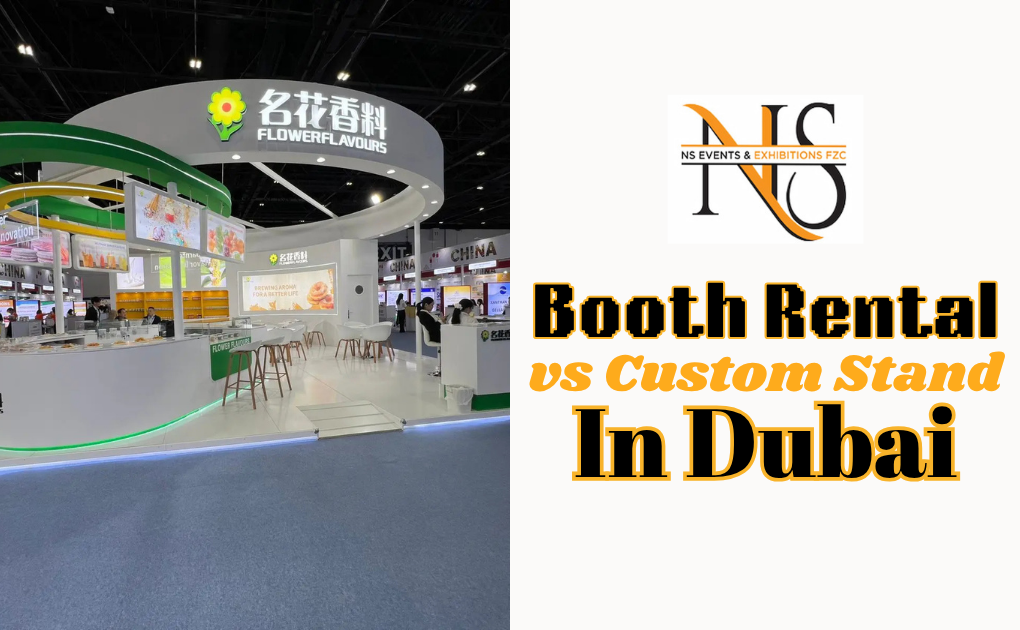
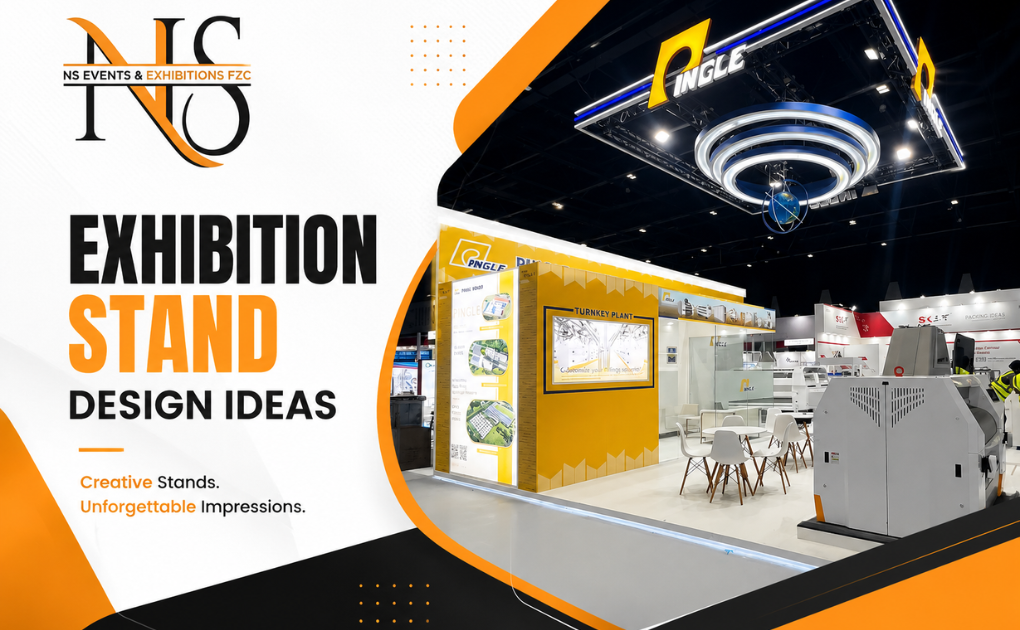
With hundreds of exhibitors competing for attention at shows like GITEX, the Big 5, and Arabian Travel Market, a forgettable booth is a wasted budget. You don’t need the biggest footprint on the floor to stand out, you need the right design decisions. Here are 20 ideas, organised by what they’re actually good for, so you can pick what fits your goals and budget.
Ideas to Maximise Visibility From a Distance
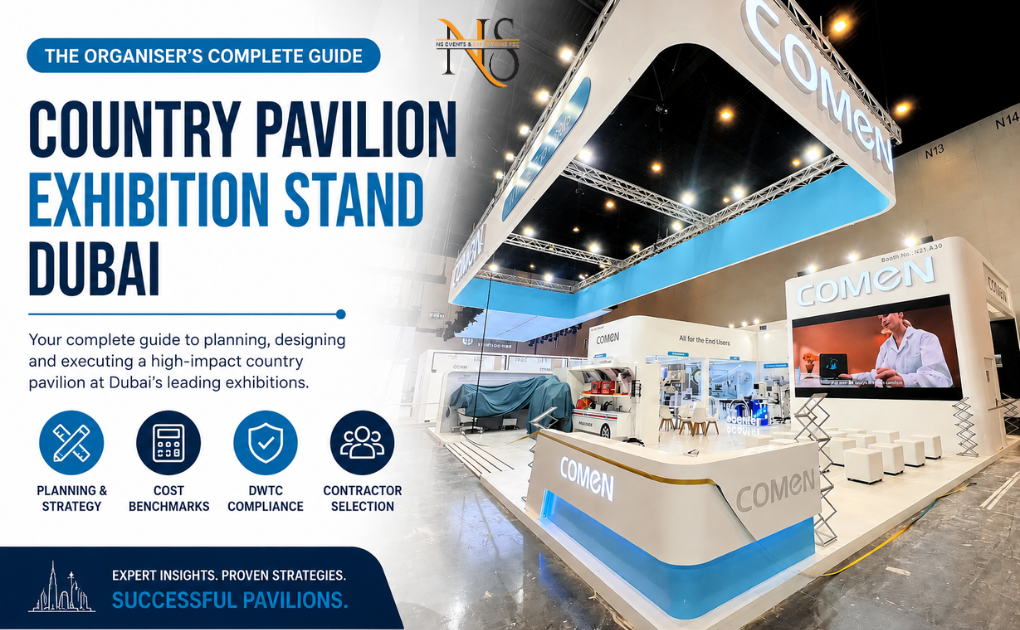
- Oversized branded signage above eye level: Visitors scan a hall from a distance before deciding where to walk. A large, legible logo or tagline positioned high on your stand catches attention long before someone reaches your booth.
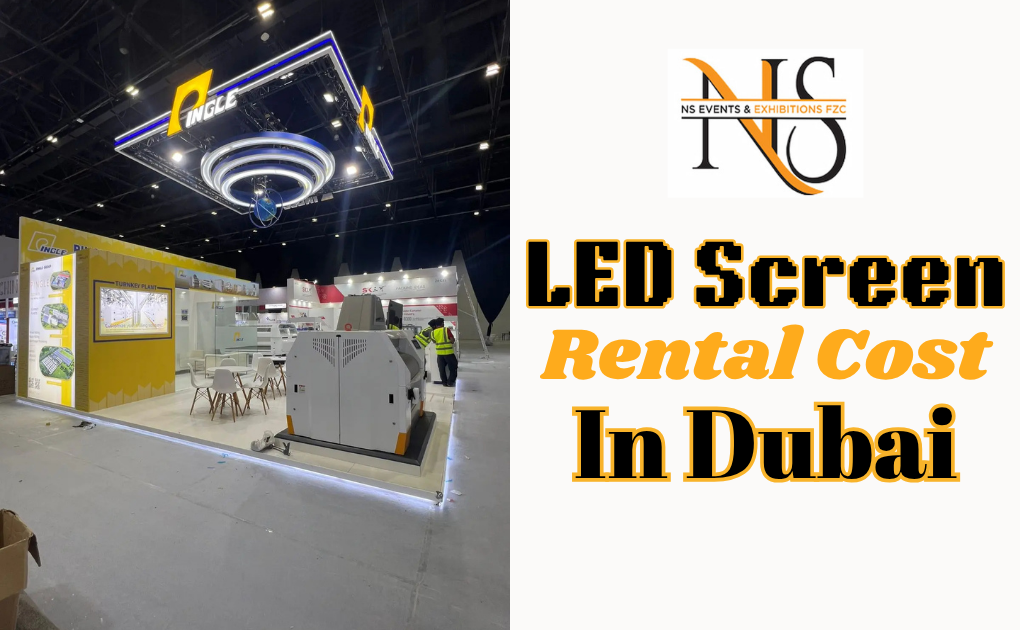
- LED video walls: Motion draws the eye faster than static graphics. Even a modest LED screen looping product footage or brand content outperforms printed banners for stopping foot traffic.
- Suspended ceiling structures or hanging banners: If your venue allows rigging, a suspended structure above your stand extends your visual footprint well beyond your actual floor space.
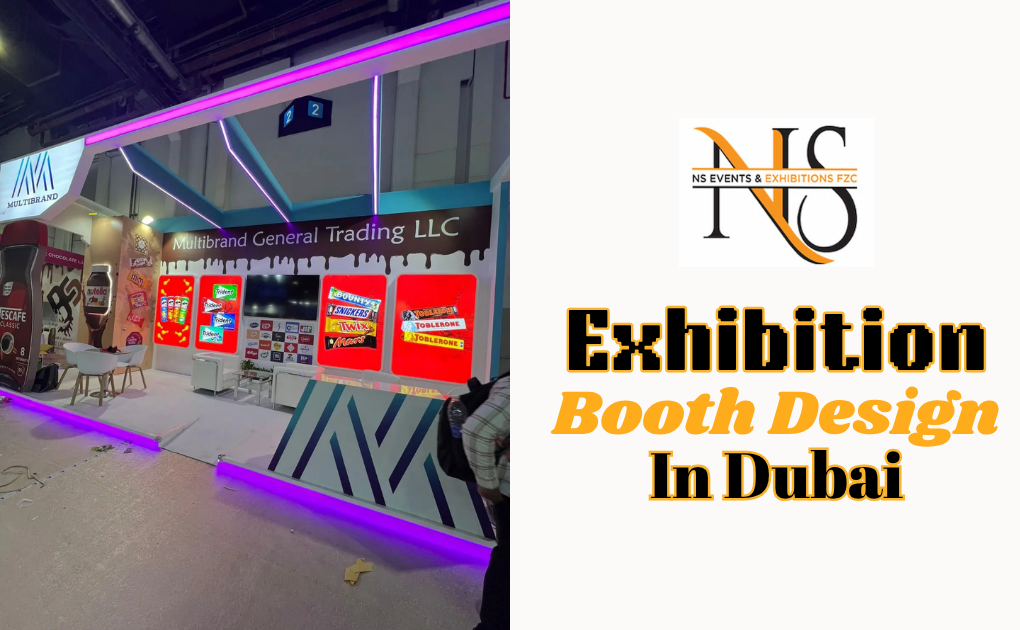
- Bold, high-contrast colour blocking: Neutral tones blend into a crowded hall. A confident colour choice, even just on key structural element, makes your stand identifiable from across the aisle.
Ideas That Encourage Visitors to Walk In
- Open floor plan with no front barrier: Reception counters positioned right at the entrance unconsciously signal “ask permission to enter.” An open layout invites people to walk straight in.
- Interactive product demo zones: Letting visitors physically engage with your product, rather than just looking at it, significantly increases dwell time and conversation quality.
- Live demonstrations or short scheduled presentations: A crowd naturally attracts more crowd. Scheduling short live demos throughout the day creates recurring foot traffic spikes.
- Sampling or tasting stations (for F&B and consumer brands): A simple, low-cost way to create a physical reason for people to stop.
- Touchscreen kiosks with interactive catalogues: Useful for brands with large product ranges, lets visitors self-explore without needing a staff member available at all times.
Ideas for Brand Storytelling
- A dedicated “brand story wall”: A visual timeline or narrative panel explaining who you are and why you exist works especially well for B2B brands trying to build trust quickly.
- Customer testimonial displays: Screens or printed panels featuring real client results build credibility faster than sales pitches from staff.
- Behind-the-scenes production footage: For manufacturers and fabricators, showing your process (factory floor, craftsmanship, quality control) builds trust that finished-product photos alone can’t.
Ideas for Meaningful Engagement
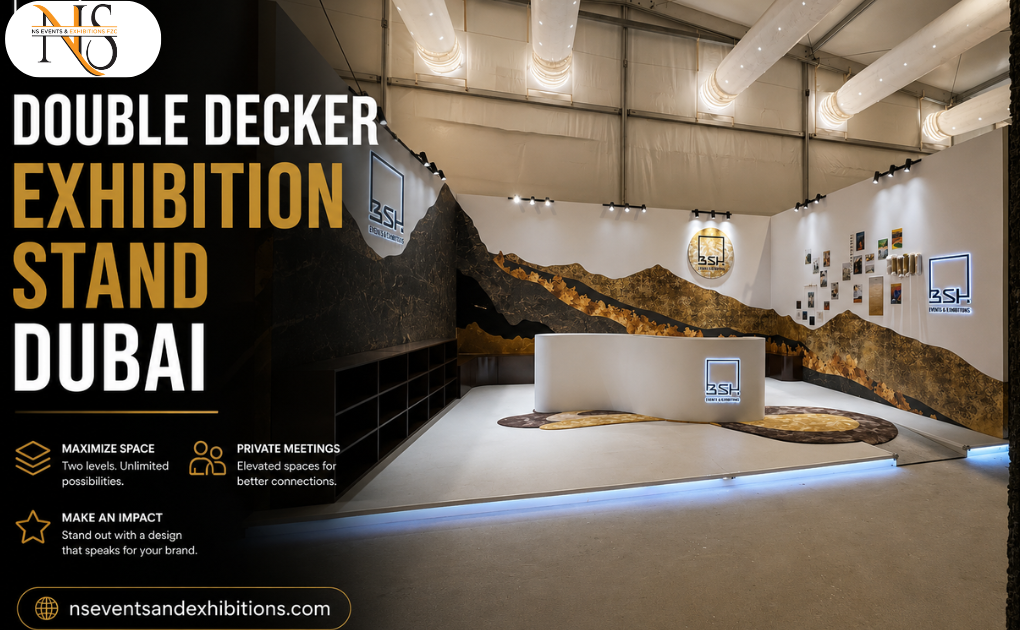
- Private meeting pods or semi-enclosed spaces: Especially valuable for B2B exhibitors where serious conversations need privacy away from hall noise.
- A hospitality corner (coffee bar, lounge seating): Gives visitors a reason to linger longer, which increases the odds of a meaningful conversation rather than a rushed 30-second pitch.
- Gamification elements (spin-the-wheel, quiz screens, prize draws): Effective for lead capture, but make sure the activity connects to your brand, not just a generic giveaway that attracts prize-hunters over genuine prospects.
Ideas for Sustainability-Conscious Brands
- Modular, reusable stand structures: Beyond the environmental angle, modular systems lower your cost-per-show if you exhibit multiple times a year, a message worth communicating to eco-conscious clients too.
- Recyclable and low-impact materials: Bamboo, recycled aluminium, and fabric graphics (instead of PVC/vinyl) are increasingly expected by visitors in sustainability-focused sectors.
- Energy-efficient LED lighting throughout: Lower power draw, less heat output, and a message of environmental responsibility, a practical and reputational win.
Ideas for Small Footprints (Under 18 sqm)
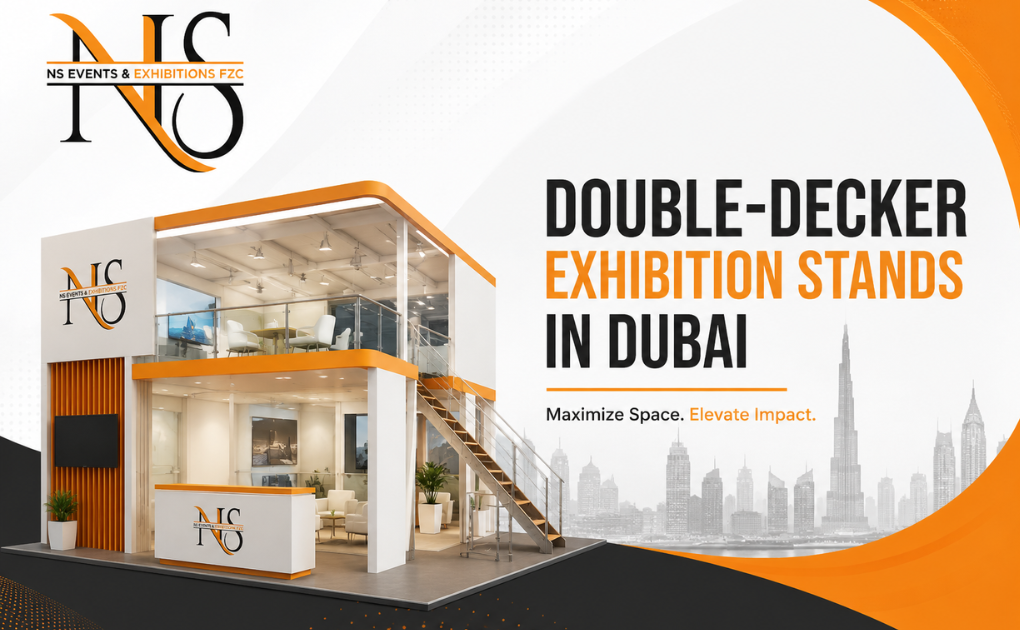
- Vertical branding instead of horizontal: When floor space is limited, use height. Tall structural elements and vertical graphics create visual presence without needing more square metres.
- Multi-purpose furniture: Counters that double as storage, seating that folds away, smart furniture choices free up circulation space in a compact booth, making it feel less cramped and more inviting.
How to Choose the Right Ideas for Your Stand
Not every idea belongs in every booth. Before finalising a design, ask:
- What’s the primary goal? Brand awareness favours visibility-driven ideas (LED walls, signage, colour). Lead generation favours engagement-driven ideas (demos, gamification, meeting pods).
- What’s your footprint? Small stands benefit from vertical and multi-purpose ideas; larger stands can support hospitality zones and dedicated demo areas.
- What’s your industry? B2B tech and finance brands typically lean toward storytelling and private meeting spaces. Consumer and F&B brands benefit more from sampling, interactivity, and visual spectacle.
- What’s realistic for your budget and timeline? Some ideas (LED walls, structural elements) require longer lead times and higher investment than others (colour blocking, hospitality corners).
Turning Ideas Into an Actual Stand
The gap between a Pinterest board of exhibition stand ideas and a functioning, venue-approved, structurally sound stand is where most DIY plans fall apart. Materials need to meet venue fire safety codes, structural elements need engineering sign-off, and AV/lighting needs proper electrical planning, all before a single panel gets fabricated.
If you’ve got a shortlist of ideas from this list and want to see which ones actually work for your specific footprint and budget, our design team can put together concept visuals before you commit to anything.
Ready to design a stand people actually remember? Get in touch for a free design consultation.
FAQs
How many of these ideas can I realistically combine on one stand?
It depends on footprint and budget, but as a rule, 3–4 well-executed ideas outperform 8–10 half-implemented ones. Focus on what serves your specific goal.
Do interactive elements like LED walls require special venue approval?
Sometimes, particularly for power load and rigging. Always confirm requirements with your stand contractor and venue before finalising the design.
What’s the most cost-effective idea on this list?
Colour blocking and open floor layout, both are largely design decisions rather than added structural cost, and both significantly improve visibility and approachability.
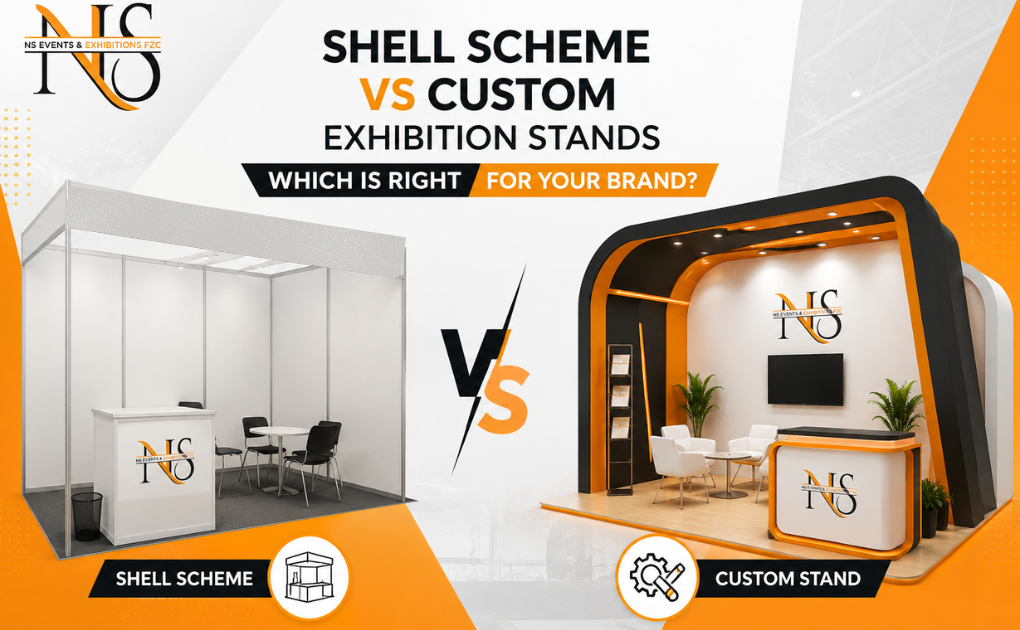
Can these ideas be applied to a shell scheme stand, or only custom builds?
Many can, hospitality corners, colour choices, interactive kiosks, and vertical branding all work within shell scheme constraints. Structural elements like LED walls or suspended banners typically require a custom or modular custom stand.